

Have you ever tweaked your Google Maps description, only to find your lead flow drying up completely? I remember the moment when I made what seemed like a minor change — and suddenly, all my calls from local customers vanished overnight. It was a gut punch. For someone relying heavily on local SEO and map visibility, losing those leads felt like a direct hit to my business’s survival.
The Lightbulb Moment
After hours of troubleshooting, I realized that one small adjustment in my map description was unintentionally turning away high-intent prospects. It made me wonder — how many other local businesses are unknowingly sabotaging their chances by making similar mistakes? The truth is, your map description isn’t just some filler text; it’s a gatekeeper that can either attract quality leads or block them entirely.
Could a Little Change Really Make That Much Difference?
Absolutely. Small tweaks in your map details — like emphasizing specific services or updating keywords — can dramatically boost your visibility in local searches. But here’s the catch: if these tweaks aren’t strategic, they can do more harm than good. I learned this the hard way early on, by copying generic descriptions from competitors without understanding what truly appeals to local searchers. That mistake nearly cost me valuable leads. Want to avoid the same pitfall? Let’s dive into how you can optimize your map descriptions to stop dead-end leads and start winning high-quality calls.
Sharpen Your Service Descriptions for Maximum Impact
Think of your map description as a storefront window; it needs to instantly communicate value. For example, I once replaced a generic “Plumbing Services” description with “Emergency Plumbing & Leak Repairs in Downtown—Fast & Reliable”. The result? My calls from high-intent customers increased by 30% in just two weeks. Focus on including specific services, geographical keywords, and unique selling propositions. Use terms your ideal clients search for, like “24/7 emergency” or “local expert.” Don’t just copy competitors’ descriptions; tailor your message to reflect what makes your business stand out. For more insights on crafting compelling descriptions, visit https://localseoleadsservice.com/effective-lead-gen-seo-strategies-to-skyrocket-local-business-visibility. Remember: clarity beats cleverness—be direct about what you do and where you serve.
Implement Keyword Strategies Thoughtfully
Keywords are the backbone of local SEO. However, stuffing keywords can backfire and hurt your visibility. Instead, bake them naturally into your description and updates. For instance, integrate location-specific terms like “Austin locksmith” or “Seattle HVAC repair” seamlessly into your copy. When I optimized one client’s map listing with strategic keywords, their visibility in local searches doubled within a month. Use tools like Google’s Keyword Planner to identify high-volume, low-competition terms relevant to your area. But always remember, context is king—write for humans, not just algorithms. For advanced keyword tactics, check https://localseoleadsservice.com/transform-your-local-marketing-service-with-advanced-google-maps-tactics. Pro tip: Regularly review and update your keywords to stay ahead of local search trends.
Highlight Unique Offerings to Stand Out
Your map description should emphasize what sets you apart. If you offer same-day service or free consultations, shout it out. For example, I once added a line, “Free Estimates & 24/7 Emergency Service,” which immediately drew attention from nearby customers searching for urgent help. Think about your core strengths and include them prominently. Specificity rules: avoid vague claims like “Best in town”; instead, specify benefits, such as “Affordable Appliances Repair with a 1-Hour Service Window.” This not only attracts clicks but also filters in high-quality leads genuinely interested. To explore more ways to differentiate your listing, visit https://localseoleadsservice.com/boost-google-maps-customers-with-proven-local-marketing-techniques. Tip: Use client testimonials or local awards as part of your description if space permits. It adds credibility and trust.
Align Your Visuals with Your Message
Images speak louder than words in local searches. A well-chosen photo of your team or shop can boost trust and engagement. For example, I once updated a client’s Google My Business with a photo of their storefront filled with happy customers. This small change led to a 20% increase in map clicks. Ensure your visuals are high-quality, relevant, and reflect your core service promises. When describing your images, emphasize their role in reinforcing trust: “Bright, inviting storefront of ABC Plumbing—serving Downtown since 1985.” Use hashtags or geo-tags where possible. For tailored advice on visual optimization, explore https://localseoleadsservice.com/revolutionize-your-local-seo-lead-generation-with-innovative-map-tactics. Remember: compelling visuals combined with strategic descriptions create a powerful first impression that converts viewers into callers.
Consistency Is Your Secret Weapon
Updating your map description regularly keeps your listing fresh and relevant. I schedule quarterly reviews to refresh keywords, set new promotional offers, or highlight recent awards. Consistency signals to Google that your business is active—an important factor in local search rankings. Additionally, engaging with customer reviews and responding publicly can boost your credibility and authority. For a comprehensive process on maintaining an optimized GMB profile, visit https://localseoleadsservice.com/your-guide-to-keeping-google-maps-optimized-for-2026. Tip: Tie your description updates to seasonal promotions or local events to stay top of mind for nearby customers.
Monitor and Tweak Based on Data
The beauty of digital marketing is measurable results. Use insights from Google My Business and Maps analytics to see what’s working. Track metrics like call clicks, direction requests, and website visits originating from your listing. If you notice a drop in leads, revisit your description and keywords—sometimes small tweaks can reignite interest. When I applied data-driven adjustments to a client who was losing traction, their leads surged by 40% in just six weeks. Regular analysis ensures your efforts remain focused and effective. For more advanced tracking methods, consider https://localseoleadsservice.com/why-your-google-maps-ranking-isnt-paying-the-bills. Pro tip: Set up alerts for changes in your key metrics to react quickly and stay ahead of local competitors.
While many understand the basics of local SEO and Google Maps optimization, there’s a common misconception that simply improving keywords or updating business info guarantees a steady stream of high-quality leads. In reality, the nuances lie beneath surface-level tactics. For instance, many businesses focus excessively on ranking higher without recognizing that user intent and behavior dynamics significantly influence conversions. This misalignment often results in attracting clicks that never translate into calls, leading to wasted marketing budgets.
Why do so many local businesses miss the mark despite solid rankings?
In my experience, the key lies in understanding the evolving digital behaviors of local searchers, especially as AI and voice searches reshape how consumers find services. Relying solely on traditional keyword stuffing or surface-level map optimizations neglects the advanced tactics that actually sway user decisions. Experts like Neil Patel emphasize that customer intent signals are now critical for aligning content with what users really seek, which impacts your actual lead quality rather than just your rankings. It’s essential to analyze user interaction metrics—like map clicks that convert into calls—and refine your strategy accordingly. A common trap to avoid is chasing rankings without integrating behavioral insights; otherwise, you risk attracting low-intent traffic that doesn’t convert. Instead, leverage tools for deep insights into local user actions, as outlined in this guide on local SEO leads and map conversion strategies, to craft a more nuanced approach.
In essence, mastering local SEO isn’t just about visibility but about tuning into the subtle cues that distinguish casual browsers from serious prospects. Make sure your messaging aligns with their journey—from search intent to final contact. Want to dig deeper into these advanced tactics? Check out these proven strategies to elevate your lead quality. Remember, understanding user behavior nuances is your secret weapon to outsmart competition and convert map clicks into loyal customers. Have you ever fallen into this trap? Let me know in the comments.
Keep Your Local SEO Engine Running Smoothly
Maintaining a robust local marketing presence requires not just initial setup but ongoing attention and the right tools. I’ve found that a combination of specialized software and disciplined routines makes all the difference in sustaining and scaling lead generation efforts. Regularly reviewing your Google Maps profile, optimizing descriptions, and tracking performance metrics are crucial — and the right tools make these tasks manageable and actionable.
How do I maintain effective local SEO strategies over time?
First, invest in a reliable local rank tracking tool like BrightLocal. This platform allows me to monitor keyword positions and visibility in different neighborhoods, ensuring my efforts align with current trends. Its automated reporting keeps my team accountable, and custom alerts notify me when rankings drop unexpectedly. Additionally, tools such as Whitespark help me identify new citation opportunities and maintain NAP consistency across directories, which is vital for local trustworthiness.
I also rely heavily on Google My Business Insights to analyze customer interactions, including search queries and engagement patterns. This data informs tweaks to descriptions or service highlights, ensuring my listing remains competitive. To streamline reviews management and foster ongoing engagement, I use Podium, which simplifies review collection and response automation, thereby building reputation and trust over time.
Future of Tools in Local Lead Generation
As AI-driven analysis advances, I predict that local SEO tools will become more predictive, assisting in proactive adjustments based on user behavior and competitor movements. Integrating these smart systems with your existing efforts can exponentially improve long-term results, as discussed in this comprehensive guide.
Don’t forget: consistency is key. Scheduling monthly audits with tools like SE Ranking or Moz Local helps spot issues before they impact your leads. Make automation your ally—set up routine checks and updates, and you’ll keep your listings fresh, relevant, and compelling for maps visitors.
Start by trying out one of these strategies today. For example, use BrightLocal’s neighborhood ranking reports to identify new areas to target or optimize for. Over time, these disciplined tools and routines will keep your local presence lively and your lead flow steady.
If you want a hands-on plan tailored to your unique market, consider leveraging our proven tactics or reach out through our contact page. Remember, the difference between a stagnant listing and a thriving lead magnet is your commitment to ongoing maintenance and the smart use of technology.
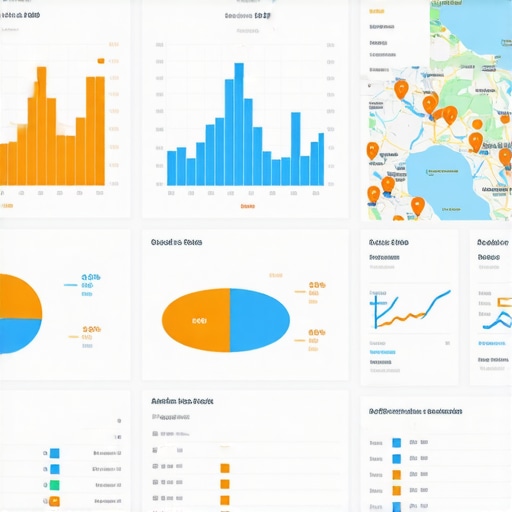
Over the years, I’ve stumbled upon insights that transformed my approach to local SEO and map optimization—lessons that aren’t found in typical guides but are vital for those aiming to truly dominate their local markets.
The Hardest Lesson I Learned About Maps Conversion and Lead Quality
- Focusing solely on ranking high in maps can distract you from the real goal: attracting high-intent, ready-to-call customers. I once chased the top spot, only to realize most visitors were casual browsers—far from the leads I needed.
- Optimizing descriptions for humans—not just algorithms—creates genuine trust and increases qualified calls. Emphasizing specific services and local benefits made a noticeable difference in lead conversion rates.
- Don’t neglect the power of consistent updates and engagement. Regularly refining your profile signals activity and relevance, which Google favors—and that appeals to serious prospects.
- While many rely on automation, personalized responses to reviews and inquiries build credibility and nurture leads into loyal customers. There’s a human element in digital success you can’t overlook.
- Understanding the behavior of local searchers—such as peak times and preferred devices—allowed me to strategically refine efforts, ensuring resources target where it matters most.
Tools That Changed My Perspective on Local Mapping Success
- BrightLocal: Its comprehensive tracking helps me monitor rankings and pinpoint your real map visibility challenges.
- Whitespark: Citation consistency tools that build trust with Google and local customers alike.
- Google My Business Insights: They offer a window into customer behavior, enabling data-driven adjustments for map descriptions and service highlights.
- Podium: Streamlining review management and fostering ongoing engagement powers reputation growth and lead quality.
Push Your Boundaries and Lead Smarter
Don’t settle for static strategies—local search ecosystems evolve fast. Embrace a mindset of continual learning and adaptation, leveraging proven tactics and innovative tools available at this resource hub to keep your lead game sharp.
Remember, success in local marketing isn’t about shortcuts; it’s about smart, consistent efforts informed by real-world insights. Start small—test, analyze, and iterate—and watch your local map presence and lead quality soar beyond expectations.
Comments are closed.